
Industries
Critical utility water systems and typical risks by industry.
Data Center Cooling
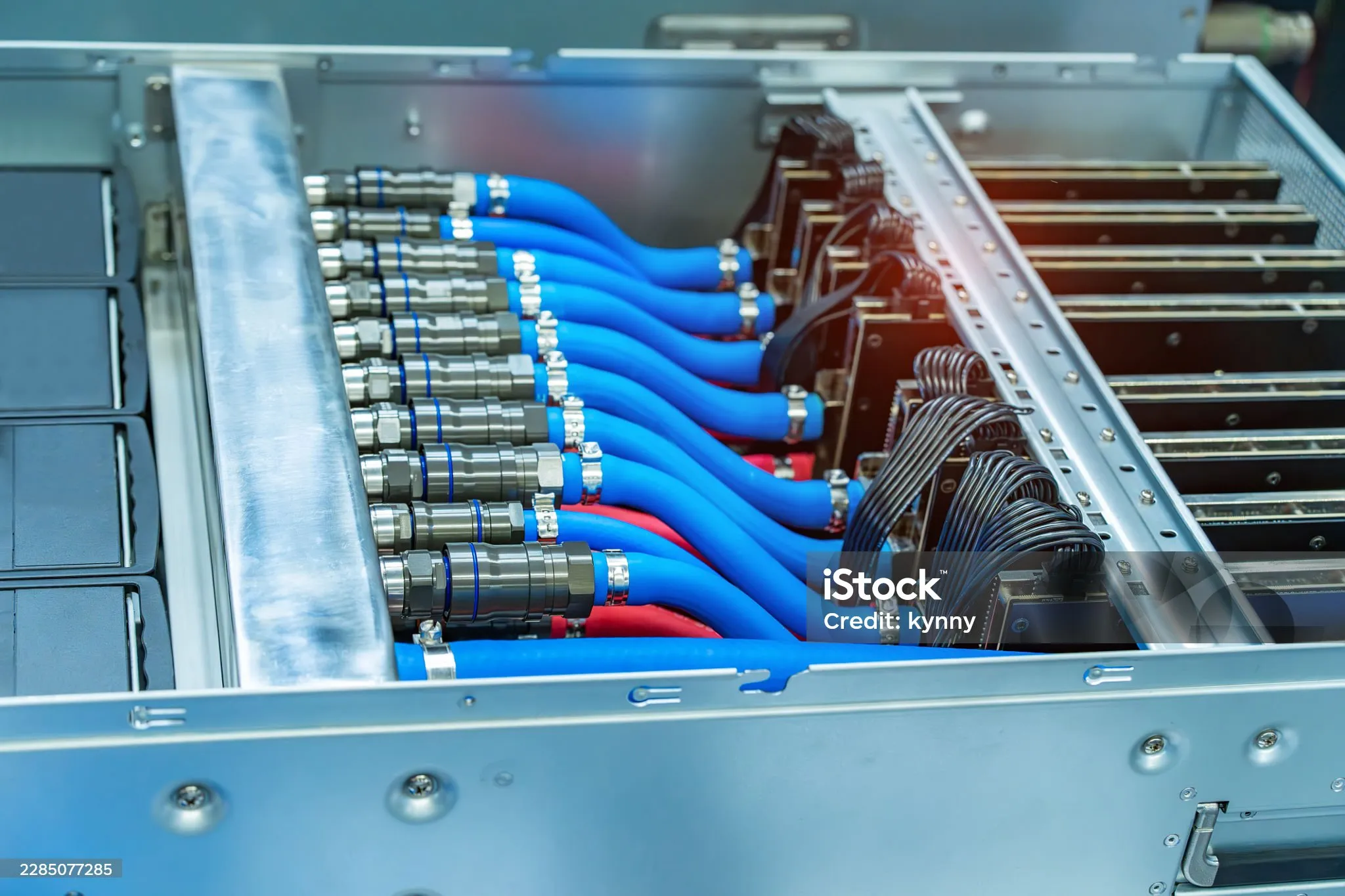
The closed-loop secondary cooling circuits, or technology cooling systems (TCS), with single-phase direct-to-chip cold plates that serve high-density server deployments are the most critical utility thermal management systems in the data center. Decentralized coolant distribution units (CDUs) circulate treated water-glycol mixtures or formulated inhibited water that requires precision chemistry control and filtration to minimize the risks of corrosion, biological fouling, and particulate accumulation that can cause micro-channel clogging, localized thermal throttling, and premature hardware failure. Fluid chemistry issues or micro-leaks during the pre-commissioning phase require immediate identification to prevent long-term risks of oxygen-driven corrosion and coolant degradation that can compromise the integrity of the loop before servers are even deployed.
These facilities feature highly complex primary-to-secondary heat exchange loops, requiring rigorous system flushing, passivation, and hydrostatic testing during the pre-commissioning phase. Managing the fluid cleanliness and chemical stability in these systems is exceptionally challenging due to diverse metallurgy (copper, stainless steel) and the strict water-quality parameters. Data center operators can improve the performance of the coolant systems by creating a strict set of specification limits, executing routine monitoring and troubleshooting, and installing inline sensors in a bypass system. The extreme density of these architectures and the extensive network of mechanical fittings, quick-connects, and manifolds significantly increase the risk of a single-point-of-failure, where inadequate pre-commissioning cleaning or a single component breach can compromise an entire server rack or row.
Refining & Petrochemical
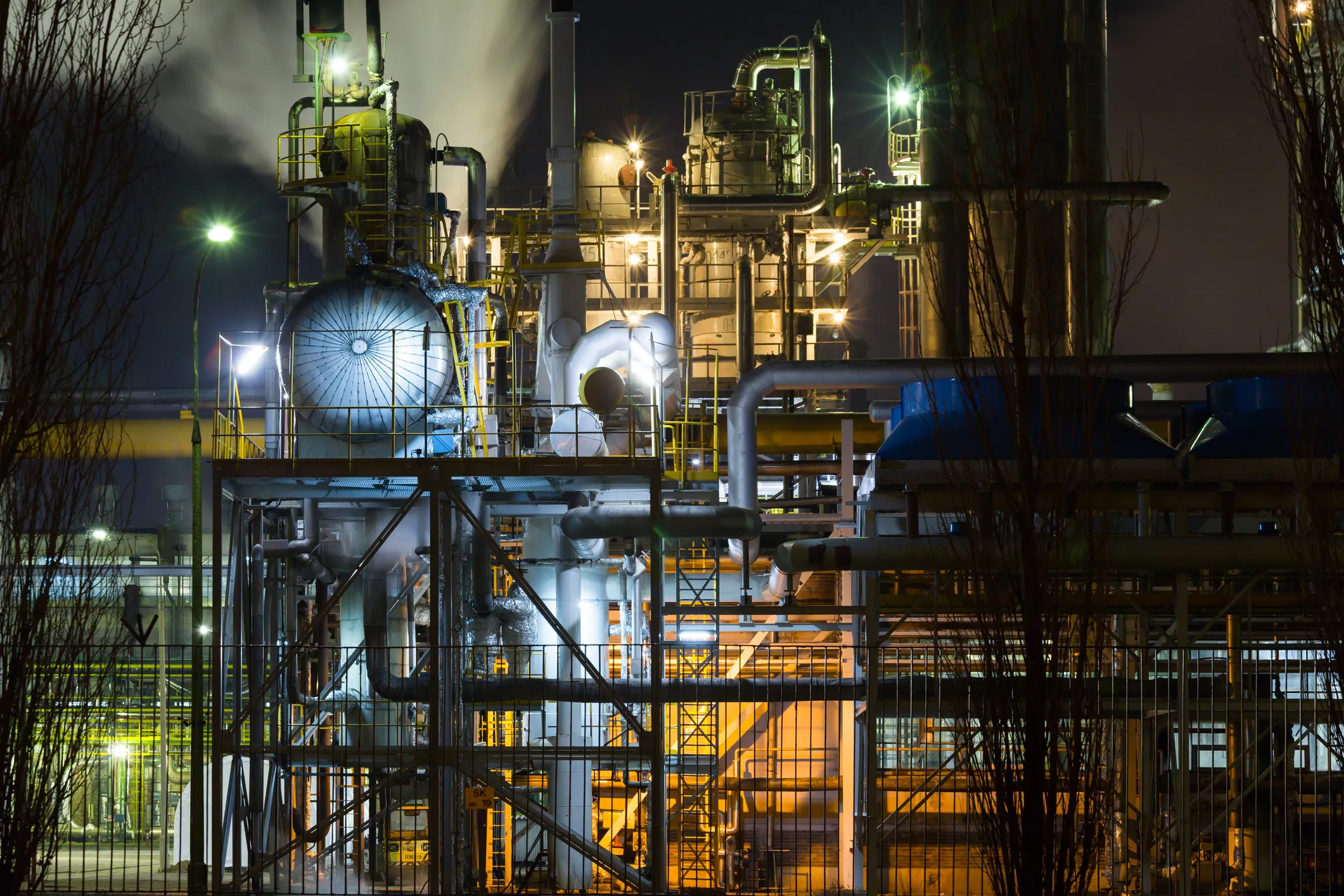
Typically, the most critical utility water systems are cooling water circuits that serve all of the process heat exchangers, compressor intercoolers, and, occasionally, surface condensers. Decentralized cooling towers use large volumes of treated water that requires chemical treatment to minimize the risks of mineral scaling, bacterial fouling and corrosion that can cause poor heat transfer, lost production, equipment damage, environmental discharge violations, and injury or death from system failures. Process leaks into the cooling water circuit require rapid response to minimize the risks of corrosion and bacteria fouling in heat exchangers and uncontrolled release of volatile process contaminants and potentially harmful bacteria in the cooling tower plume.
These plants also have numerous fired and waste heat boilers with complex condensate systems. Managing the water chemistry in these waste heat boilers can be very challenging due to centralized chemical feed systems and manual blowdown controls.
The centralized nature and lack of redundancy in the pretreatment systems increases the risk of a single-point-of-failure.
Fertilizer
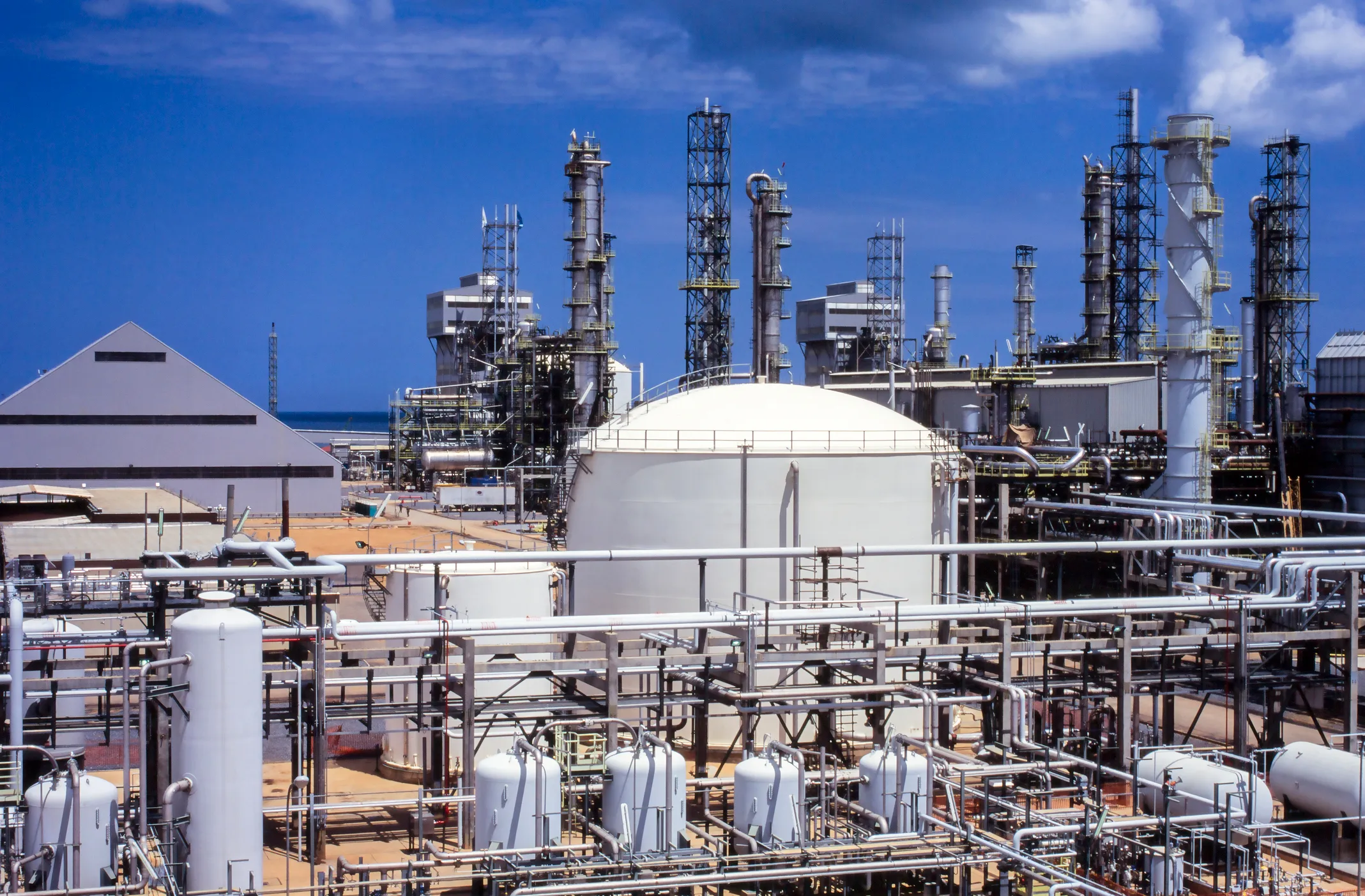
Fertilizer production requires large volumes of cooling water that serve all of the process heat exchangers, compressor intercoolers, and, occasionally, surface condensers. Decentralized cooling towers use large volumes of treated water that requires chemical treatment to minimize the risks of mineral scaling, bacterial fouling and corrosion that can cause poor heat transfer, lost production, equipment damage, environmental discharge violations, and injury or death from system failures. In ammonia plants, leaks of process contaminants such as natural gas or ammonia create a risk of uncontrolled release of volatile process contaminants, bacterial fouling in heat exchangers, and potentially harmful bacteria in the cooling tower plume. Leaks of natural gas into the cooling water circuit require rapid response to minimize the risks of fire in the cooling tower.
Ammonia. These high pressure waste heat boilers with stainless steel alloys require consistent, on-spec operation of pretreatment and boiler feedwater systems to ensure maximum efficiency and reliability of the waste heat steam generators in ammonia plants. Pretreatment systems typically have three bed demineralizer systems and often have a reverse osmosis unit to meet the specification limits for high pressure boilers.
Sulfuric Acid, Phosphoric Acid. The operating pressure for steam generators to produce sulfuric and phosphoric acid is lower than the requirements for ammonia production; however, these processes require large volumes of moderately high pressure steam.
Paper
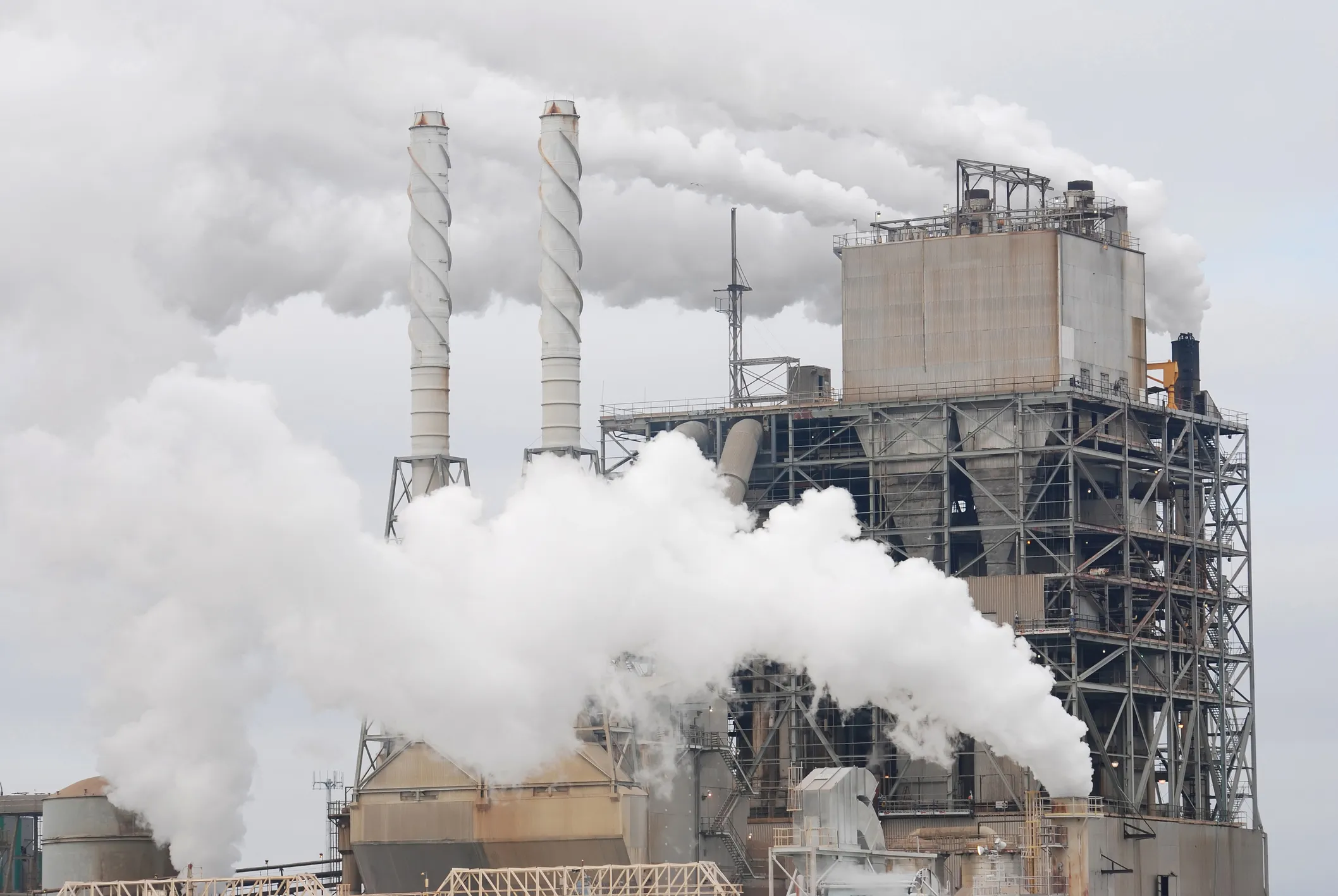
The most important utility-water asset in a kraft paper mill is the recovery boiler. Compliance to ASME and TAPPI guidelines for monitoring and control of boiler feedwater and boiler water chemistry maximizes the safety and reliability of the recovery boiler. Many paper mills also have high pressure fired boilers serving steam turbines to generate electrical power. Kraft mills and paper mills that have steam turbine generators will have demineralizers and may have reverse osmosis units to meet the stringent specification limits for the quality of the boiler make-up.
Paper mills use a large quantity of steam for drying processes and have a complex condensate system with numerous receivers intermittently returning pressurized condensate to collection systems. Maximizing the boiler system reliability requires maximizing the quantity and quality of returned condensate.
Typically, paper mills do not have evaporative cooling towers unless the surface condenser for the steam turbine generator requires a large volume of cooling water. Paper mills often have a process water system known as “mill supply” that provides filtered water to the pulp mill and other processes as well as serving as cooling water for intercoolers in compressors. These mill supply water systems require corrosion control chemicals to minimize the demand in the bleach plant from highly-colored iron corrosion products.
Power
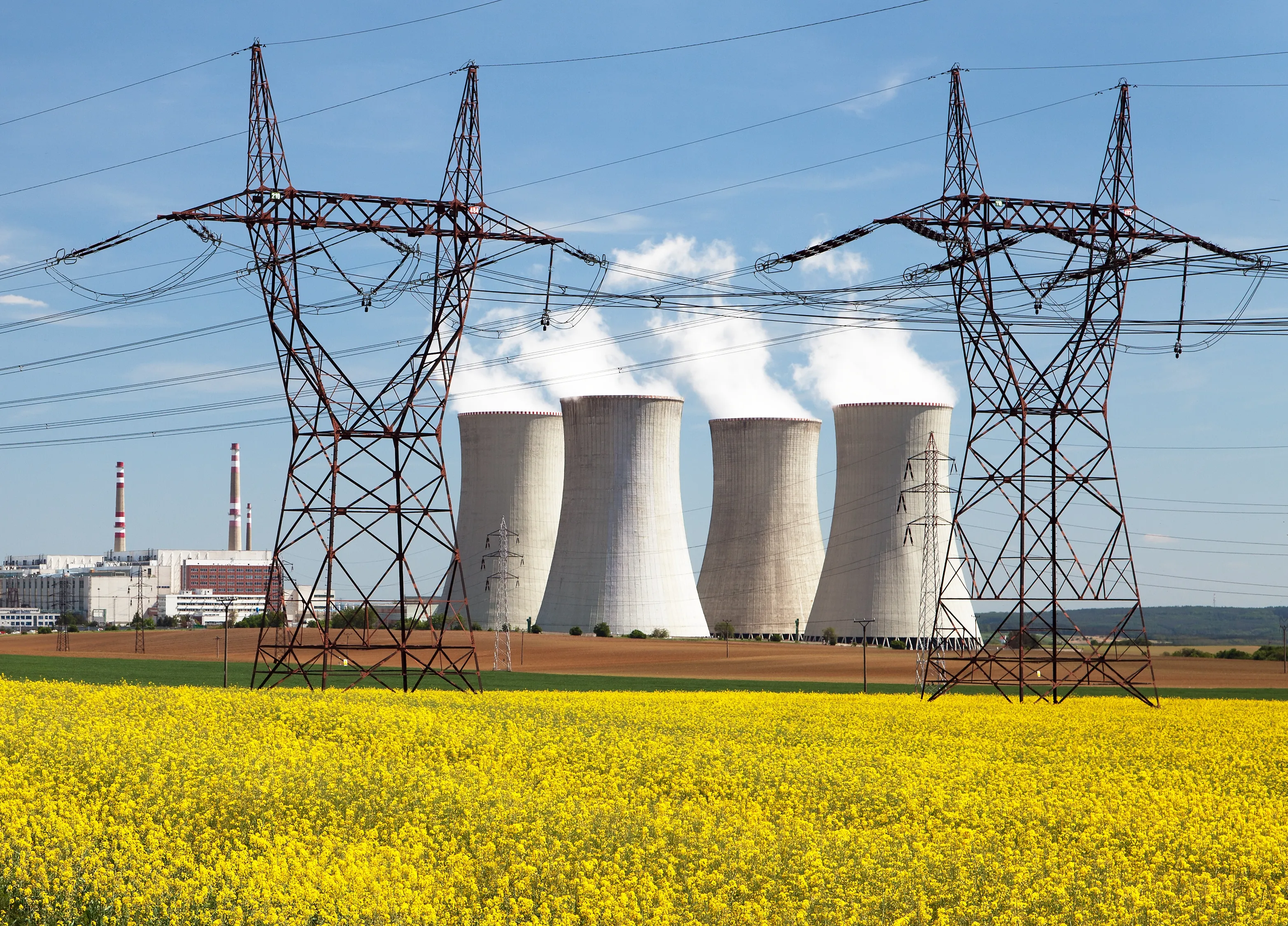
In electrical power plants, “water” is the product. These ultra-high pressure boilers that serve steam turbine generators require the highest quality of condensate and boiler feedwater. The pretreatment system consists of three bed demineralizers and may include a reverse osmosis unit. These systems also require large volumes of cooling water to efficiently condense the steam and maximize the turbine generator efficiency.
Ethanol
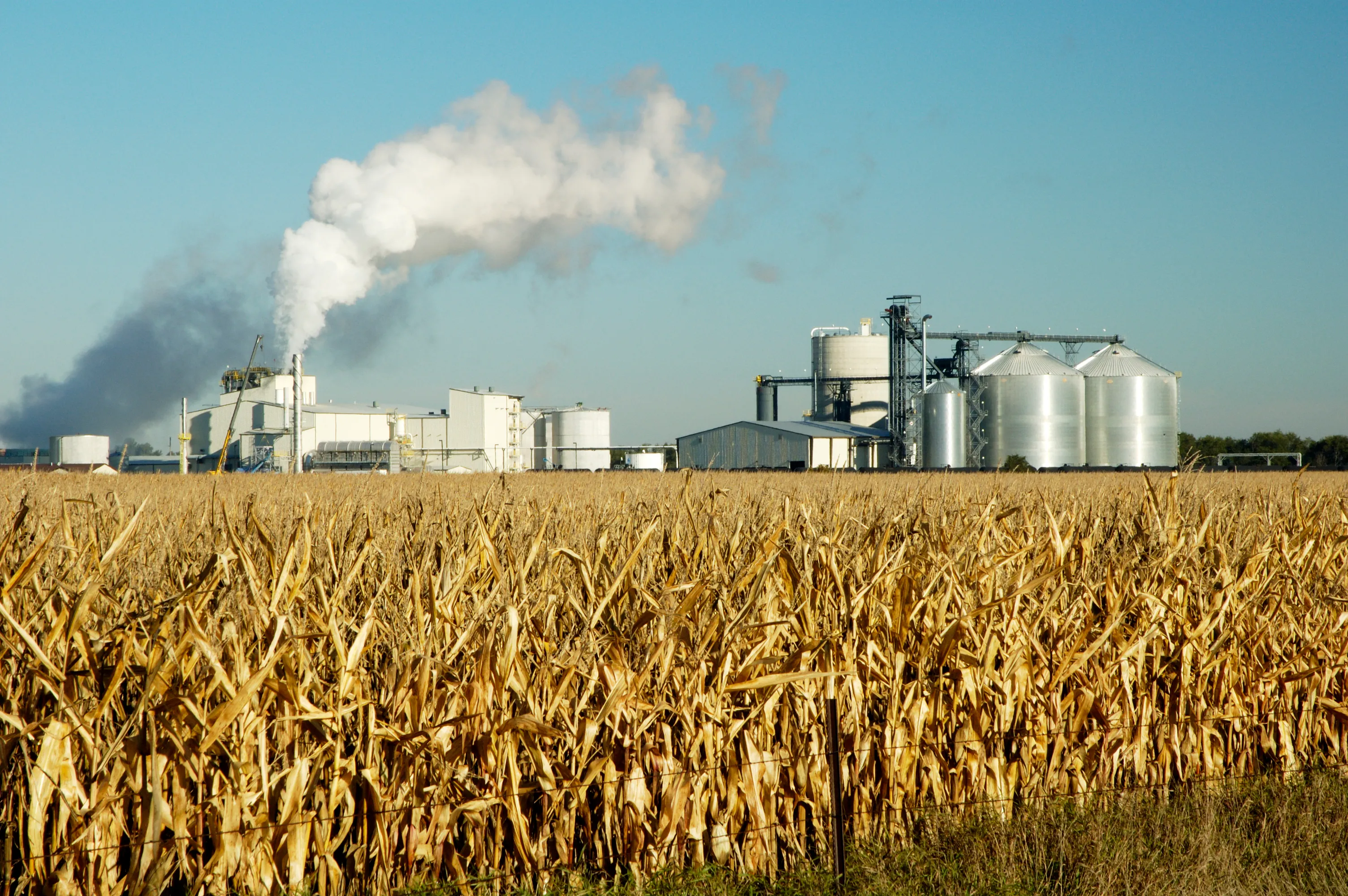
Ethanol plants are typically located near the source of their raw materials (e.g. corn, sugar cane, wheat), use large volumes of water in their process and are located in areas that have strict limits on the available volumes of fresh water and the volume and quality of wastewater. The modular, skid-mounted designs of the boiler pretreatment systems often limit the options for monitoring and operational flexibility, compromising the ability to optimize the waterside efficiency.
Sugar Refining
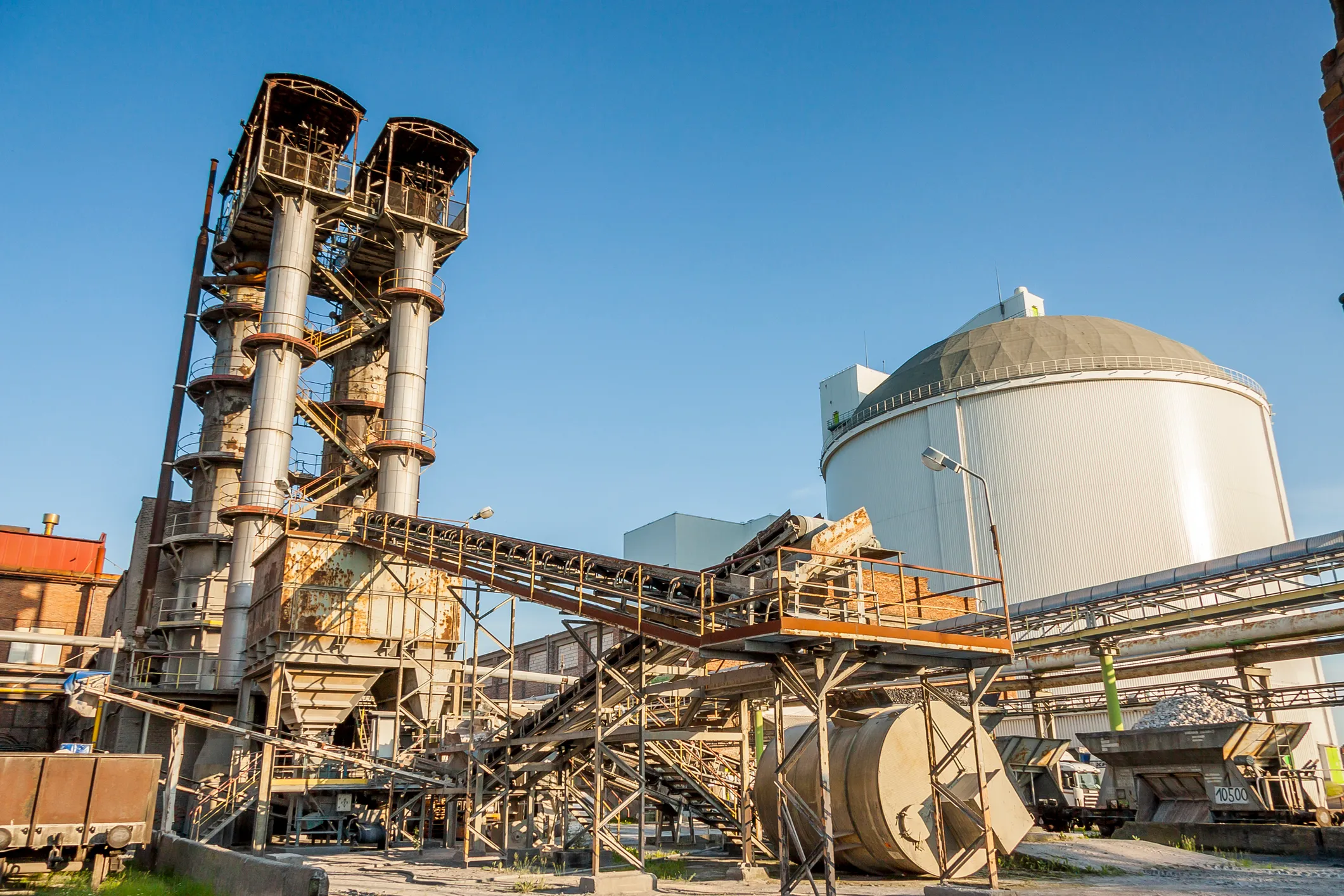
Sugar refineries have a continuous risk of sugar contaminants in the condensate, causing a rapid decrease in the pH of the boiler water. A robust monitoring program for water chemistry, a well-maintained condensate collection system, clear emergency procedures and trained operators can reduce the risk of a boiler failure. Sugar refineries may have a cooling tower for off-loading sugar to trucks or tankers.
Rubber & Tire Manufacturing
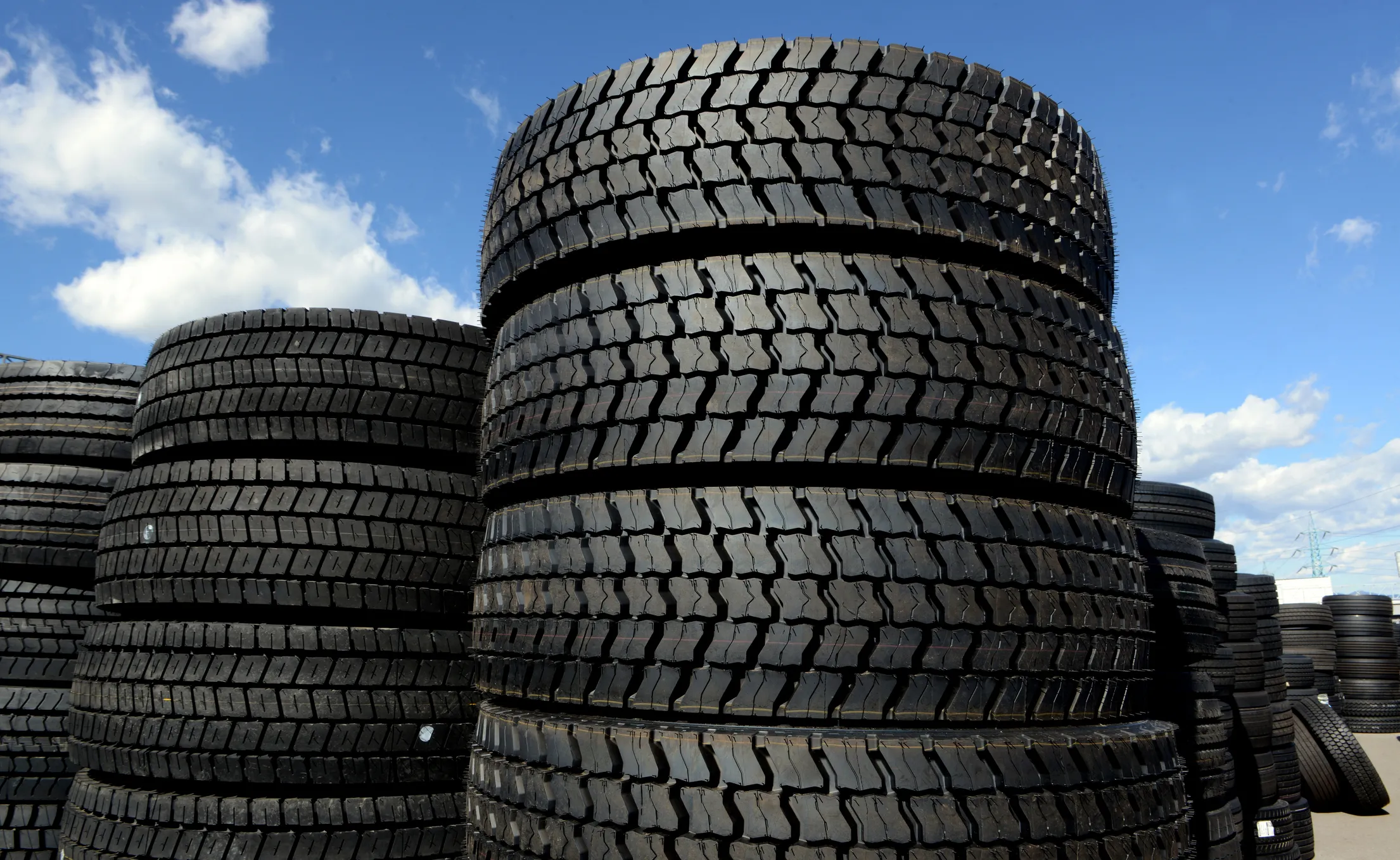
Rubber and tire manufacturers have moderate-pressure steam boilers and may have an evaporative cooling tower to serve the process cooling requirements. Maintaining the purity and quality of steam used in rubber manufacturing is critical because contaminants can affect product quality and appearance. Ensuring conformance of the boiler feedwater and boiler water to ASME guidelines as well as preventing carryover in the steam circuit is equally important to meet the production specifications.
Large-Scale Commercial Facilities
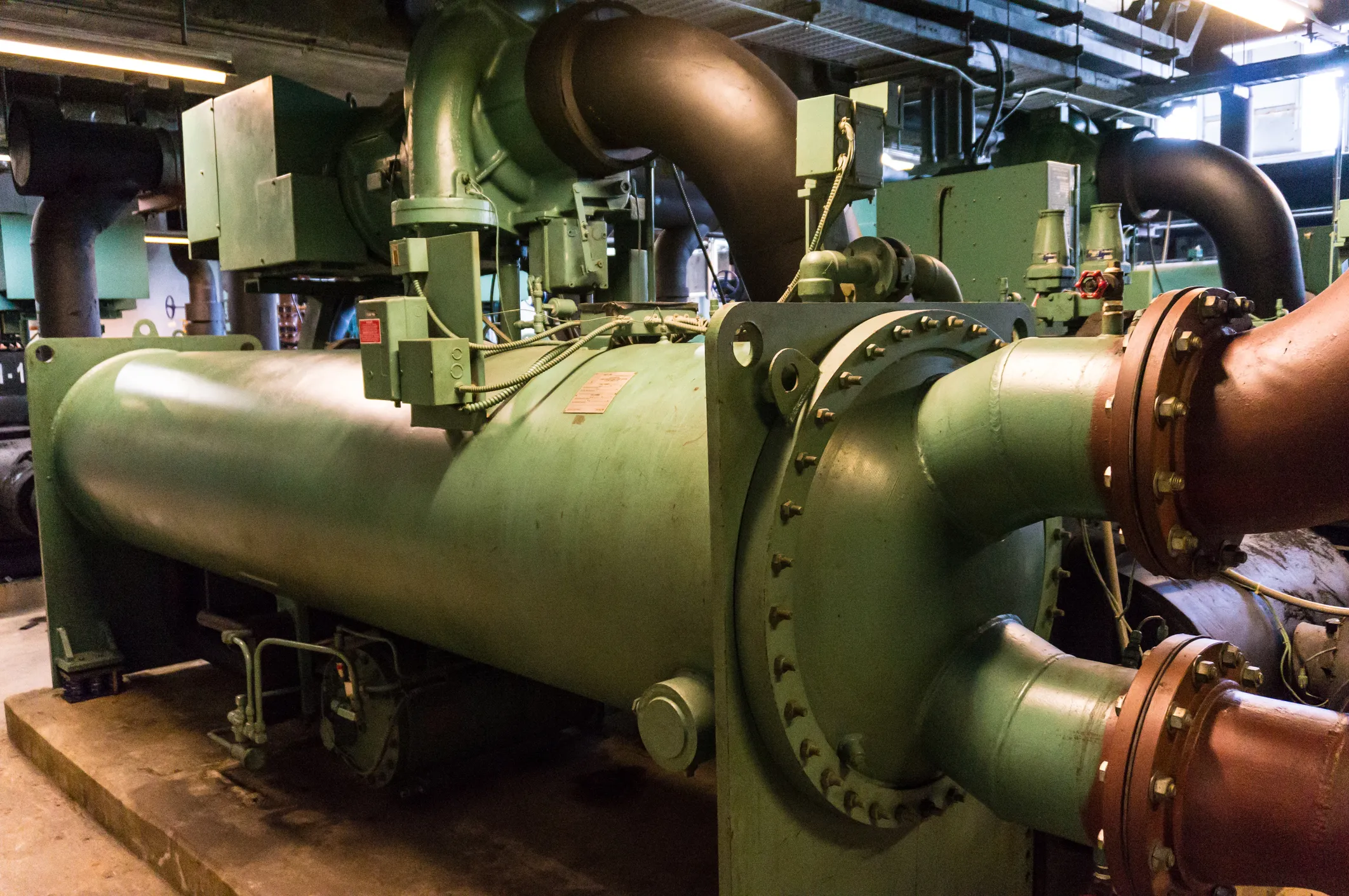
Corporate facilities such as pharmaceutical research and manufacturing facilities, large government complexes, college campuses, and large office buildings focus on the availability and operability of their heating and cooling systems. Proper monitoring and management of the utility water systems will increase system efficiency and reliability – and reduce the possibility of illness and lawsuits by minimizing the risk of actual or suspected water-related legionella infections. In addition, there are some environmentally-friendly options for corrosion and deposit control that could contribute to the requirements for the LEED program.
Industry not listed? Tell us about your system.